Cooperage is a skilled trade, combining traditional craftsmanship with the realities of a busy manufacturing environment.
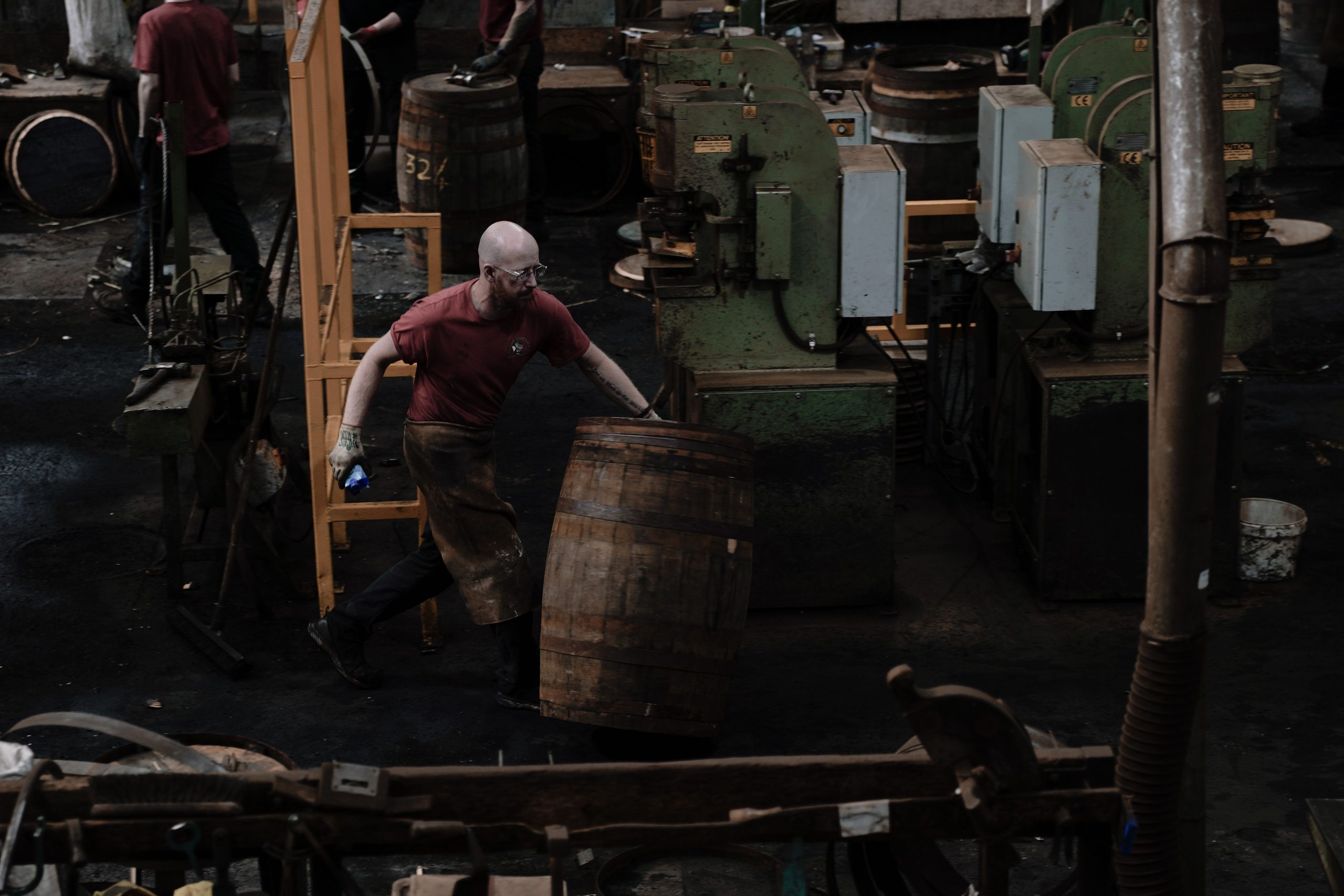
Machinery, woodworking equipment, manual handling, workplace transport and the storage of heavy casks all bring risks that need to be properly managed.
The participating businesses already had established health and safety arrangements in place, with most also receiving support from external safety professionals. They nevertheless recognised the value of taking a fresh look.
Could approaches be more consistent across businesses? Were there examples of good practice worth sharing? And could a common framework help everyone build on what they were already doing well?
There was also an important focus on apprentices. With responsibility for training the next generation of skilled coopers, the businesses wanted to give particular attention to the arrangements supporting young people as they developed their skills.
The aim wasn’t to start again. It was to build on good foundations and make them even stronger.
Darrel Scott, Senior Health and Safety Consultant
Amalgamate worked with the participating businesses to develop and deliver independent health and safety audits across their workplaces.The process included reviewing existing documentation, walking around workplaces, looking at how activities were carried out and talking with the people doing the work.
One of the most positive aspects was the way the businesses approached the process. Directors, managers and employees were open, engaged and willing to discuss their existing arrangements, share their experiences and explore where improvements could be made which made a real difference.Because an audit is about much more than checking whether the right documents exist.
It’s about understanding how things work day to day, recognising what’s working well and identifying where a different approach could make things easier, safer or more consistent and sometimes, those conversations are just as valuable as the inspection itself.
So, when did you last take a proper look at how well your health and safety arrangements are working?
That was the starting point for a group of cooperages looking to strengthen their approach.
The businesses wanted to build on the work already being done, bring greater consistency to health and safety standards and make sure apprentices were getting the support they needed as they learned their trade.
Amalgamate worked alongside the participating businesses to develop an independent audit programme that would help turn those ambitions into practical improvements.
One of the benefits of reviewing several businesses in the same industry is seeing how different organisations tackle similar challenges.
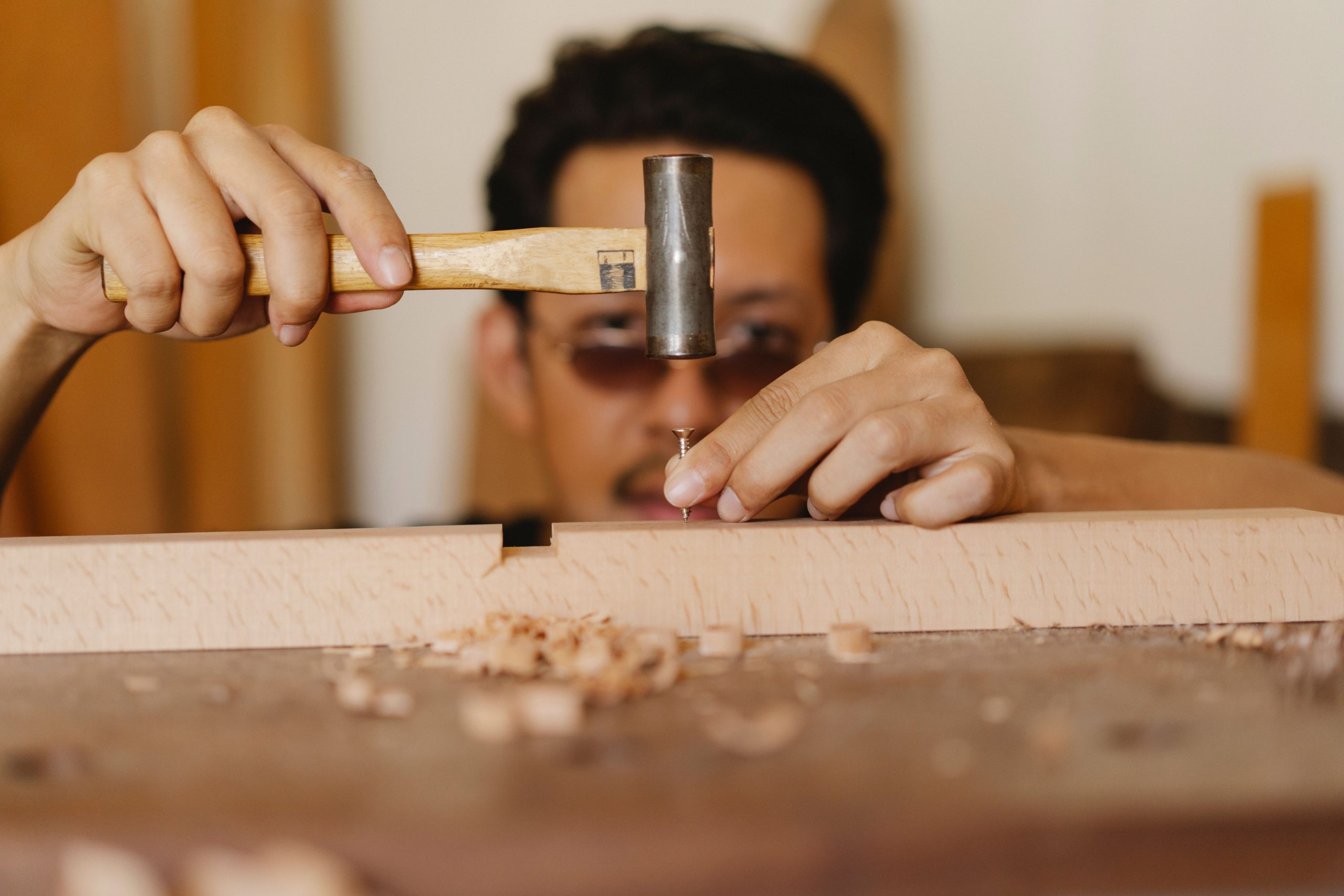
The audits highlighted a range of approaches to areas such as machinery assessments, workplace inspections, cask storage and apprentice supervision.
In some cases, individual cooperages had developed particularly useful practices that others could learn from.
For example, one cooperage had taken a well-structured approach to assessing work equipment against the Provision and Use of Work Equipment Regulations (PUWER), using specialist support.
That provided a useful example for other participating businesses to consider.
The audits also opened up conversations about everyday activities, such as stacking and securing casks.
Different methods were being used across the industry, creating an opportunity to explore what good practice should look like and where shared guidance might help.
After all, if several businesses are facing the same challenge, why shouldn’t they learn from each other?
Amalgamate helped the businesses identify these opportunities and consider how a more consistent approach could benefit everyone.
Not by expecting every workplace to operate in exactly the same way, but by helping teams share knowledge and strengthen the arrangements that matter.
Apprentices are an important part of the cooperage industry’s future.
And learning a skilled trade involves more than developing practical ability. It also means understanding risks, building confidence and developing good working habits from the outset.
Protecting and supporting apprentices was therefore an important part of the programme.
The audits reviewed the arrangements already in place across participating workplaces, looking at training, competency, supervision and young-worker risk assessments.
As the programme developed, the businesses asked Amalgamate to place even greater emphasis on apprentice welfare and supervision.
This meant looking more closely at practical questions.
What level of supervision is appropriate for different activities? How should arrangements change as an apprentice becomes more experienced? And what happens when the usual supervisor isn’t available?
For example, an apprentice carrying out basic housekeeping duties may need a different level of supervision from someone learning to operate potentially hazardous machinery.
It sounds straightforward, but setting clear expectations can make a real difference to how consistently supervision is managed.
The reviews provided a useful starting point for developing more detailed guidance and sharing approaches between businesses.
Because good training isn’t just about teaching someone how to do the job. It’s about helping them learn how to do it safely, too.
An audit is useful. What happens afterwards matters more.
There’s one thing worth remembering about any health and safety audit.
An audit can identify useful opportunities for improvement, but those recommendations still need to be reviewed, managed and followed through.
And when you’re running a busy business, it’s not always easy to keep track of actions coming from different inspections, assessments and reviews.
The participating businesses recognised an opportunity to bring more structure to that process.
Amalgamate worked with them to introduce an action-tracking approach that would help monitor audit findings, review responses and provide greater visibility of progress.
It was a practical way of making sure the value of the audits didn’t end when the reports were issued.
Because the most useful question isn’t simply:
“Have we had an audit?”
It’s:
“What have we done with what we learned?”
Another valuable outcome of the programme was the opportunity to look at health and safety across the cooperage industry, rather than just one workplace at a time.
The businesses were often dealing with similar activities and risks, which meant there was plenty of scope to share experiences and learn from each other.
The reviews highlighted opportunities to develop common guidance, encourage consistent approaches and share practical examples of good practice.
They also opened up the possibility of a dedicated health and safety forum, giving participants a place to discuss challenges, exchange ideas and keep improving together.
When organisations are willing to share what they’ve learned, everyone has the opportunity to benefit.
As one participant explained:
“Those who have participated have found the process useful as the audit is based on legal requirements which is a baseline for operational compliance.”
The programme provided a way to build on that baseline and support ongoing improvement across the participating businesses.
Working together, Amalgamate and the participating businesses established a more consistent approach to independent health and safety reviews across their workplaces.
The programme helped to:
Importantly, this wasn’t about replacing arrangements that were already working.
It was about making use of the knowledge, experience and good practices that existed across the businesses, while identifying opportunities to take things further.
You don’t have to work in a cooperage to recognise the value of what these businesses set out to achieve.
Your organisation may already have good health and safety arrangements. You might have experienced managers, competent advisers and well-established procedures.
But that doesn’t mean there aren’t opportunities to improve.
When did someone last review your arrangements with genuinely fresh eyes?
Could different teams or sites learn from each other’s approaches?
Are your training and supervision arrangements still right for the people doing the work?
And when an audit or inspection identifies an opportunity to improve, can you see what’s happened as a result?
These aren’t questions that suggest something is wrong.
They’re the sort of questions that organisations committed to doing things well should be asking.
Because good health and safety management isn’t about standing still. It’s about continuing to get better.
This programme shows how valuable it can be to take a proactive look at established health and safety arrangements.
By working with Amalgamate, the participating businesses were able to bring a fresh perspective to existing practices, create a more consistent approach to independent reviews and identify opportunities to share knowledge.
At Amalgamate, that’s how we believe good consultancy should work.
We take the time to understand your business, recognise what’s already working and help you identify sensible, practical ways to make your arrangements even stronger.
No unnecessary complexity. No paperwork for the sake of it. Just experienced advice and a focus on what matters.
So, how confident are you that you’re getting the most from your existing health and safety arrangements?
If you’d value a fresh perspective, we’d be happy to talk.
Get in touch with Amalgamate →
